
Ram Janmabhoomi Temple Ayodhya Entry Fee
- No Entry Fee
Ram Janmabhoomi Temple Ayodhya Phone
080095 22111
Rating:  | 4/5 stars
Based on total 52 reviews
Ram Janmabhoomi Temple Ayodhya Address: near Ayodhya Railway Staion, near Hanuman ghadi ramkot, Sai Nagar, Ayodhya, Uttar Pradesh, 224123, India
Ayodhya Tour Packages
Ayodhya Tour PackagesRam Janmabhoomi Temple Ayodhya Timings
| Day | Timing |
|---|---|
| Monday | 7:00 am – 12:00 pm 1:00 pm – 9:00 pm |
| Tuesday | 7:00 am – 12:00 pm 1:00 pm – 9:00 pm |
| Wednesday | 7:00 am – 12:00 pm 1:00 pm – 9:00 pm |
| Thursday | 7:00 am – 12:00 pm 1:00 pm – 9:00 pm |
| Friday | 7:00 am – 12:00 pm 1:00 pm – 9:00 pm |
| Saturday | 7:00 am – 12:00 pm 1:00 pm – 9:00 pm |
| Sunday | 7:00 am – 12:00 pm 1:00 pm – 9:00 pm |
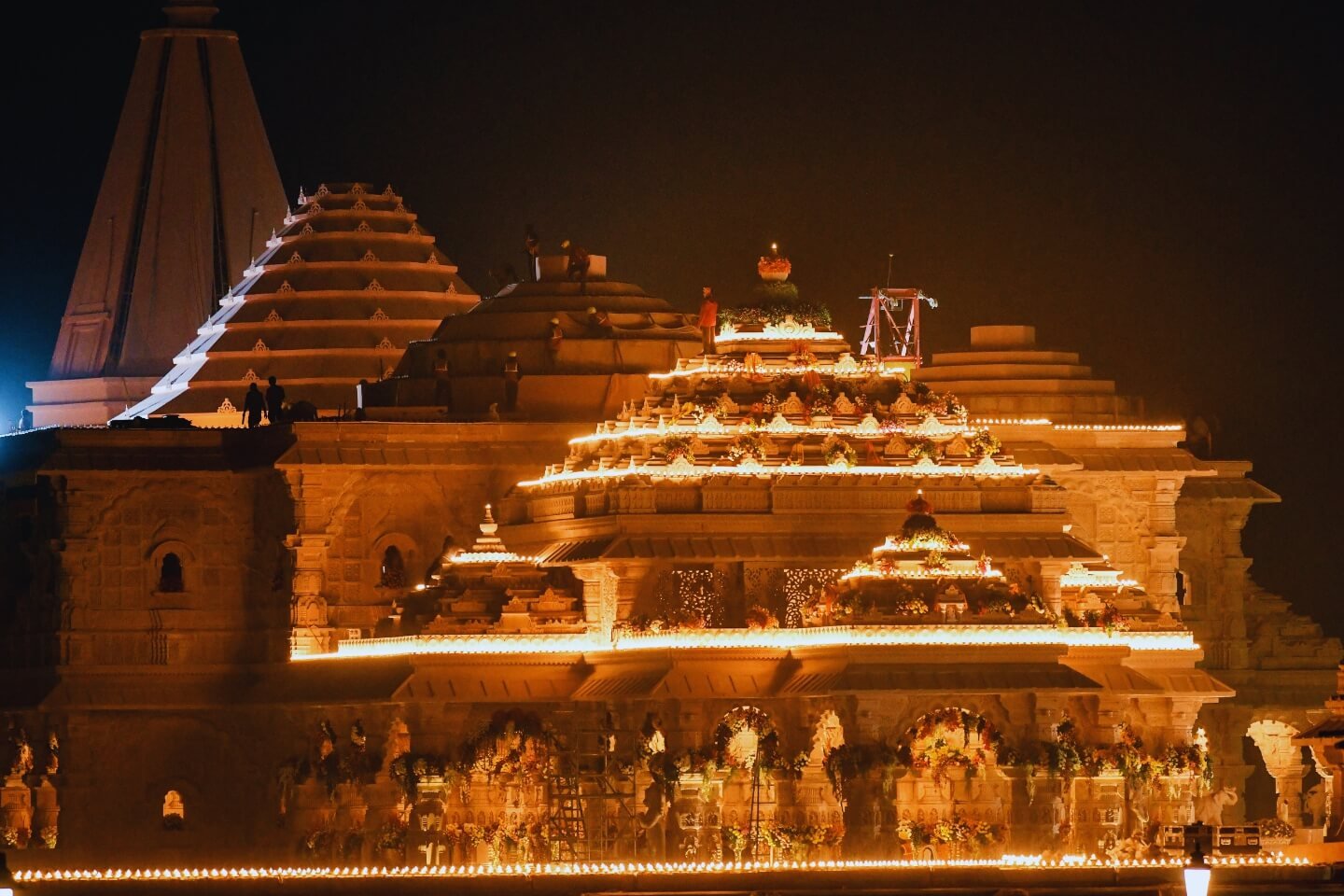
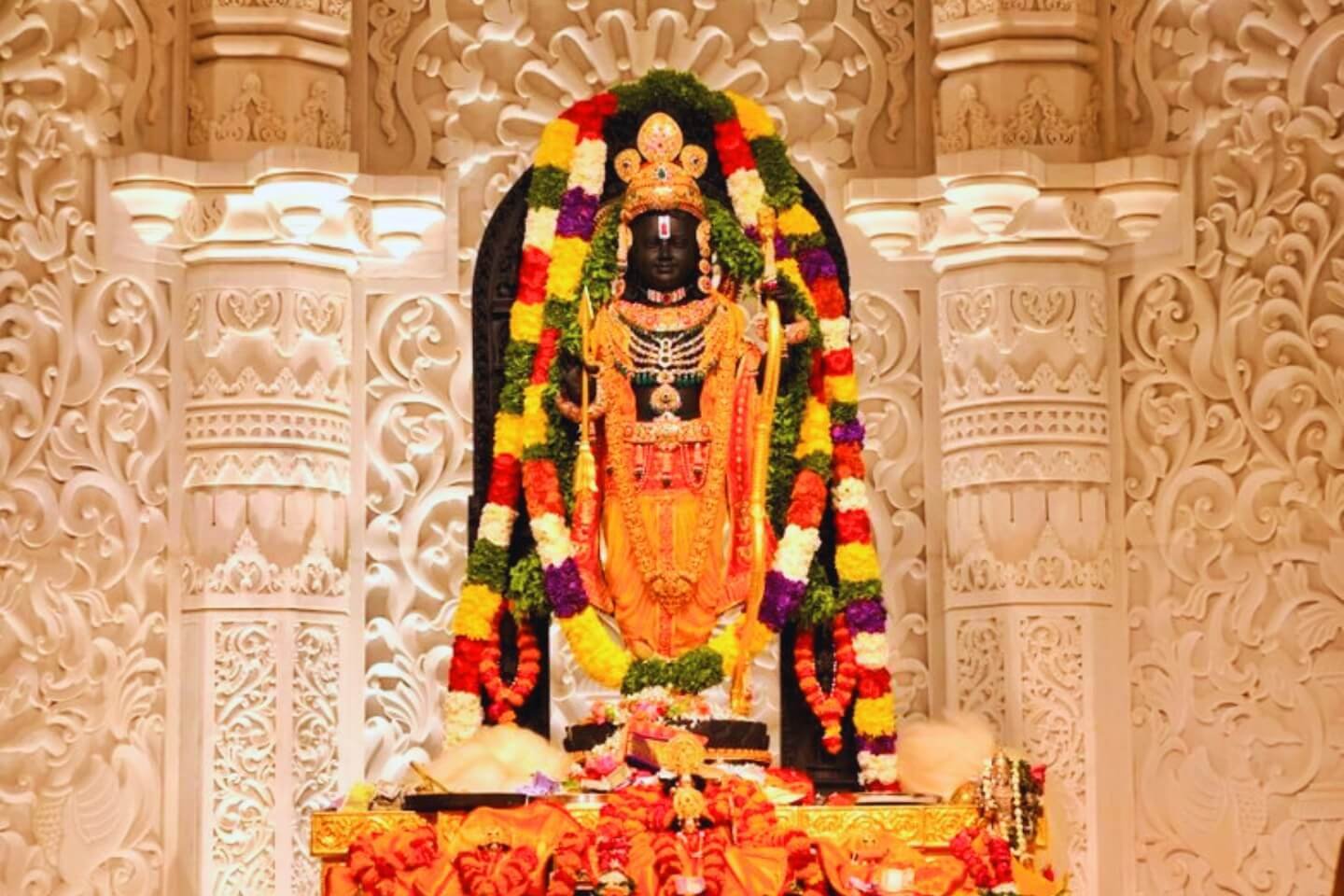
Shri Ram Janmabhoomi Temple (or Ayodhya Ram Mandir) is a magnificent temple dedicated to Lord Rama. Standing as a symbol of religious devotion and cultural heritage, it’s a pilgrimage destination for Hindus worldwide. The temple has a beautiful idol of infant Rama, due to which it’s also often referred to as Ramlala Temple.
It’s more than just a sacred shrine. Ayodhya Ram Janmabhoomi Temple is believed to have been the birthplace of Lord Rama according to the Indian epic Ramayana. He’s said to have grown up along the River Saryu, making Ayodhya a highly revered site.
Ram Mandir in Ayodhya was built after decades of dispute over the site. And it stands as a site of immense religious significance, reflecting the enduring legacy of Lord Rama.
Where is the Ram Janmabhoomi Temple in Ayodhya?
Shri Ram Janmabhoomi Temple location is on the banks of the Saryu River in Ayodhya, Uttar Pradesh. Occupying an area of around 2.7 acres, this temple forms the heart of Ayodhya city. It represents the deep faith of millions of Hindus, and it has become a key destination for devotees and tourists coming to Ayodhya.
History of Ayodhya Ram Janmabhoomi Temple
The history of the Ram Janmabhoomi Temple is complex, marked by diverse religious beliefs and political disputes. For centuries, this location has been central to Hindu devotion as the birthplace of Lord Rama. And devotees used to visit Ayodhya from across the subcontinent to worship Rama.
During the Mughal rule in the 16th century, the Babri Masjid was constructed at the site. And since the 19th century, this place has been a focal point of religious and political disputes. In 1992, when the mosque was demolished, the situation escalated dramatically.
After decades of legal battles, in 2019, the Supreme Court of India granted the disputed land for temple construction. A separate land nearby was allocated for the mosque.
Following this decision, the groundbreaking ceremony was held in 2020 to begin the construction. Since its opening in January 2024, Ayodhya Shri Ram Janmabhoomi Temple has drawn enormous crowds, becoming one of the most visited pilgrimage sites.
Architecture of Ram Janmabhoomi Temple
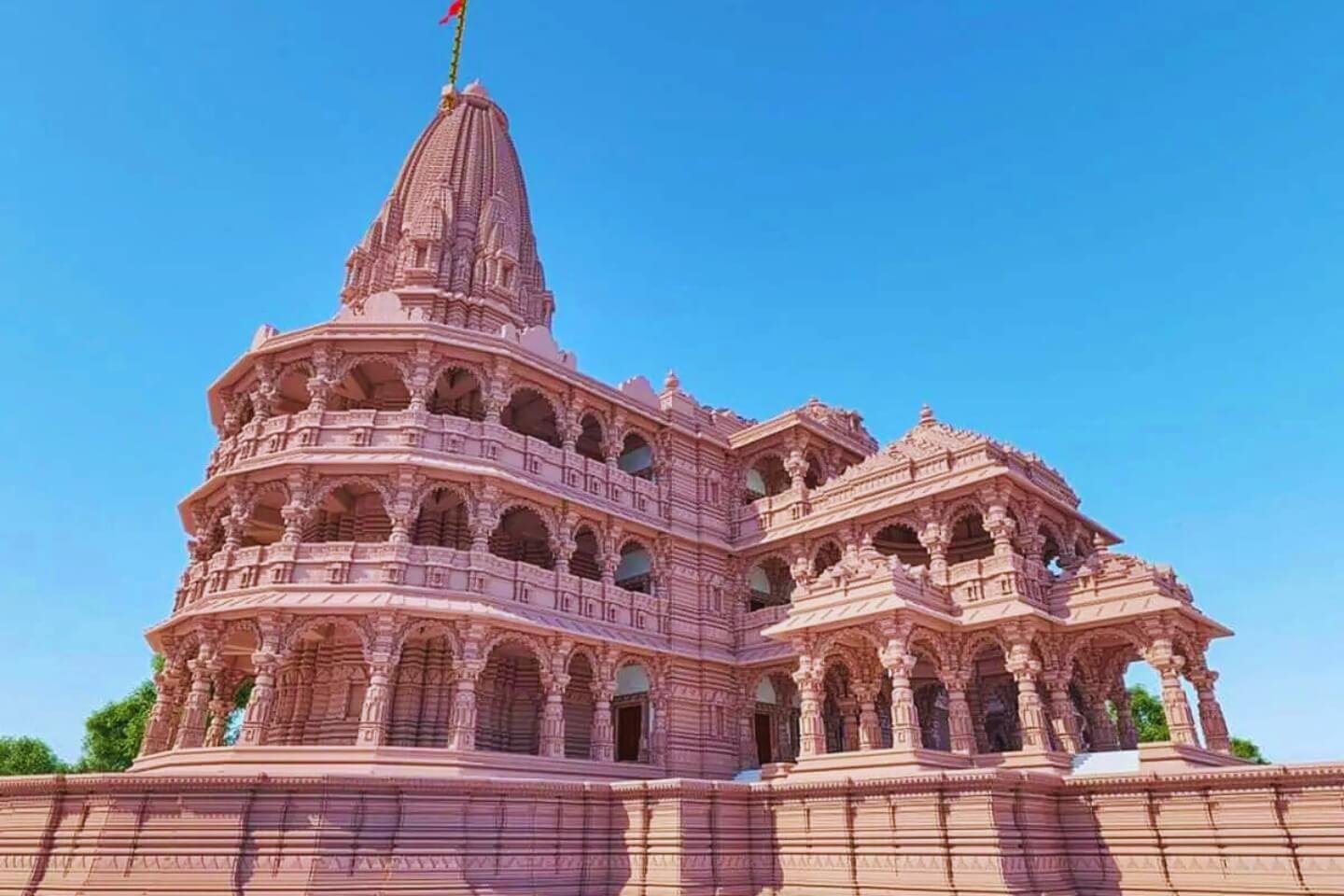
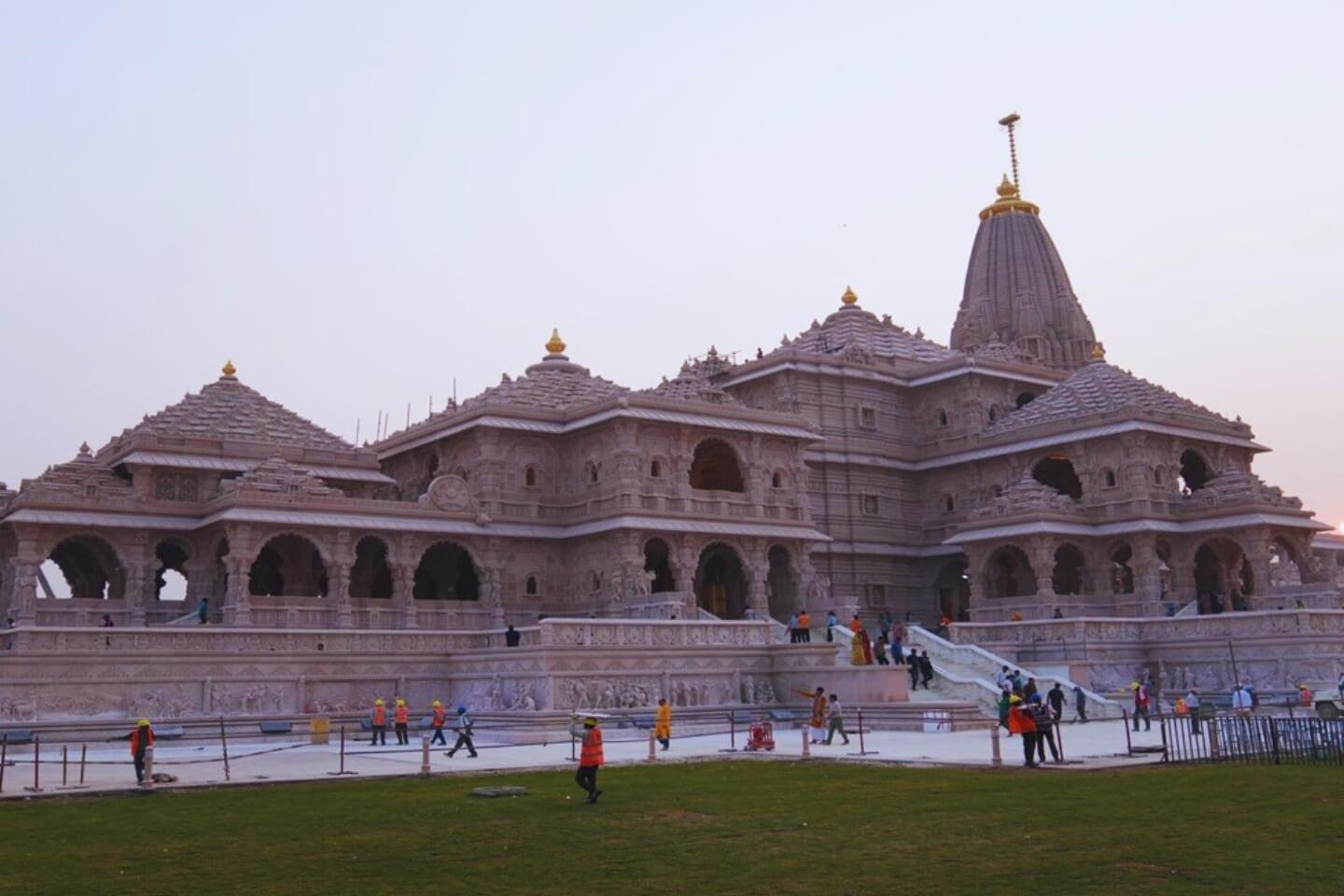
Ayodhya Ram Janmabhoomi Temple is a beautiful blend of traditional craftsmanship and grand temple design. Built in the Nagara style of Hindu temple architecture, the monument reflects the artistry seen in ancient northern Indian temple architecture. Intricate carvings, towering pillars, and detailed sculptures come together to celebrate Lord Rama’s divine legacy.
The temple complex features spacious halls, wide pathways, and beautifully carved columns. The main temple sanctum stands on a massive stone plinth, giving it an elevated, majestic presence. This architectural marvel includes three floors, each 20 feet high.
The idol of Ramlala in the sanctum is crafted with remarkable detail. This sanctum is crowned with a soaring shikhara, and multiple smaller shikharas rise across the structure. It measures 360 feet in length and 235 feet in width, with a total height of 161 feet.
The Ram Mandir complex is designed to offer more than just a place for worship. Future plans include dedicated spaces for meditation and yoga. Additionally, the temple has space for hosting workshops and discourses on Hindu mythology. Facilities for traditional art, music and dance are planned to be developed soon.
Things to do at Ayodhya Ram Mandir
1. Seeking blessings of Ramlala – When visiting Shri Ram Janmabhoomi Temple, Ayodhya, get into the sanctum to see the idol of Lord Rama. Spend a few quiet moments in prayer and absorb the peaceful atmosphere. The presence of the infant Rama creates a deeply moving and spiritually uplifting experience for those seeking his blessings.
2. Exploring temple architecture – Walk around the complex to admire its grand Nagara-style architecture of the Ram Temple. From finely carved pillars to beautifully sculpted panels of scenes from the Ramayana, every corner reflects artisans’ skills and devotion.
3. Attend the aarti ceremonies – Daily aarti at Ayodhya Ram Mandir is a mesmerising spiritual experience. The rhythmic chants, chiming bells and glowing diyas create an atmosphere filled with devotion. Join other devotees to witness the ceremony and enjoy the divine atmosphere. The serene ghats of the Saryu River nearby are also known for their evening aarti.
Shri Ram Janmabhoomi Temple Timings and Entry Fee
Shri Ram Janmabhoomi Temple darshan timings are from 7 AM to 12 PM and 1 PM to 9 PM. The temple is open every day. However, opening times may change during festivals or special events. Aarti timings are 4.30 AM (Mangala Aarti), 6.30 AM (Shringar Aarti) and 9.30 PM (Shayan Aarti).
Entry to the Ayodhya Ram Mandir is absolutely free. But darshan during aarti ceremonies requires an online entry pass (free). No special, paid passes are given for the Ram Janmabhoomi Temple.
Best time to visit Ayodhya Ram Temple
Although you can visit the temple year-round, the ideal time is winter, from November to February. During these months, the weather remains pleasant for exploration. Visiting Ram Janmabhoomi Ayodhya Temple during festivals, such as Ram Navami, Diwali and Makar Sankranti, is a whole different experience.
Image Gallery of Shri Ram Janmabhoomi Temple Ayodhya
Time to explore Shri Ram Janmabhoomi Temple
It takes around 30 minutes to an hour to visit Ayodhya Ram Mandir and take blessings from the god. The wait time may be longer on weekends, holidays, or during festive events. The entire process from temple entry to exit (after darshan) is controlled and structured for convenience.
Things to keep in mind when visiting Ram Mandir
- Reserve your free online pass to avoid delays in darshan.
- Visit early to get darshan during your preferred timings.
- No paid, special darshan passes are available.
- Avoid bringing flowers, garlands, prasad or similar items to the temple.
- Leave mobiles, cameras, footwear and bags outside the temple premises.
- Cloakrooms are available near the temple gates for free storage.
- Wheelchairs are available for the elderly and people with disabilities.
How to reach Ram Janmabhoomi Temple Ayodhya?
Ram Janmabhoomi Temple is situated within the Ayodhya city centre, 7 km from the bus depot. From Ayodhya Junction and Ayodhya Cantt railway stations, the distance to the temple is about 2 km and 8 km, respectively. From Ayodhya Airport, Ram Mandir is 11 km away. Lucknow Airport (160 km away), however, offers better flight connectivity.
Now, here are the different ways to reach Shri Ram Janmabhoomi Temple in Ayodhya –
By auto/cycle rickshaw – Auto rickshaws, cycle rickshaws and e-rickshaws are a convenient way to visit the temple. They’re easily available all over Ayodhya.
By cab/taxi – Having a taxi or private cab is the most comfortable way to reach Ayodhya Ram Janmabhoomi Temple. You can book them from the top car rental companies in Ayodhya to visit the temple complex and other nearby attractions.
Make the most of your Ayodhya tour by booking an Ayodhya Tour package with us. At Ayodhya Tourism, we make sure you have a hassle-free trip in this holy city, exploring its attractions without any transportation worries. We offer personalised packages suited to your budget and preferences. To get in touch with us, please fill out the Contact Us form.